


Trilobites
Ogyginus corndensis Trilobite
SKU: OgycornTri
From
£3.50 ex. VAT
Select an option to see availability
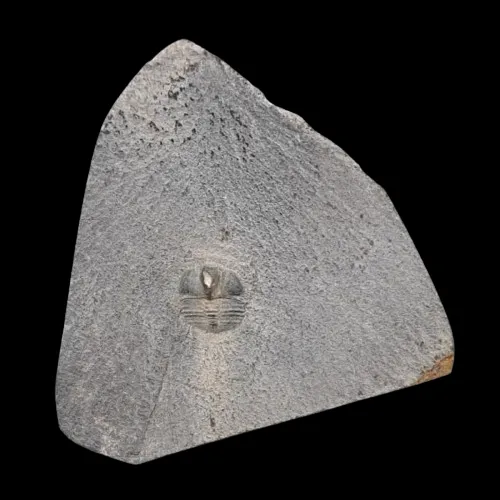
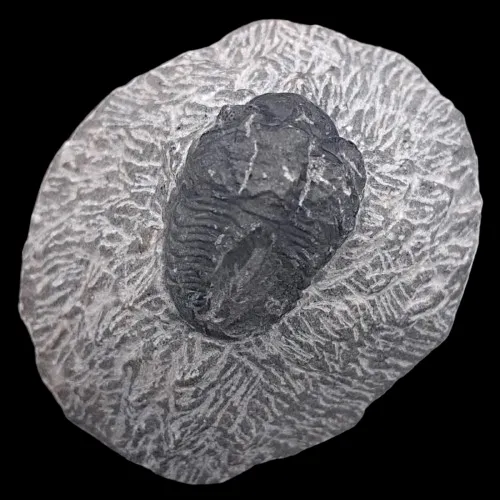
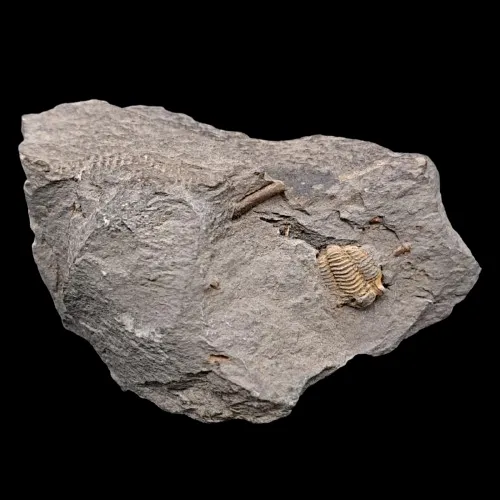
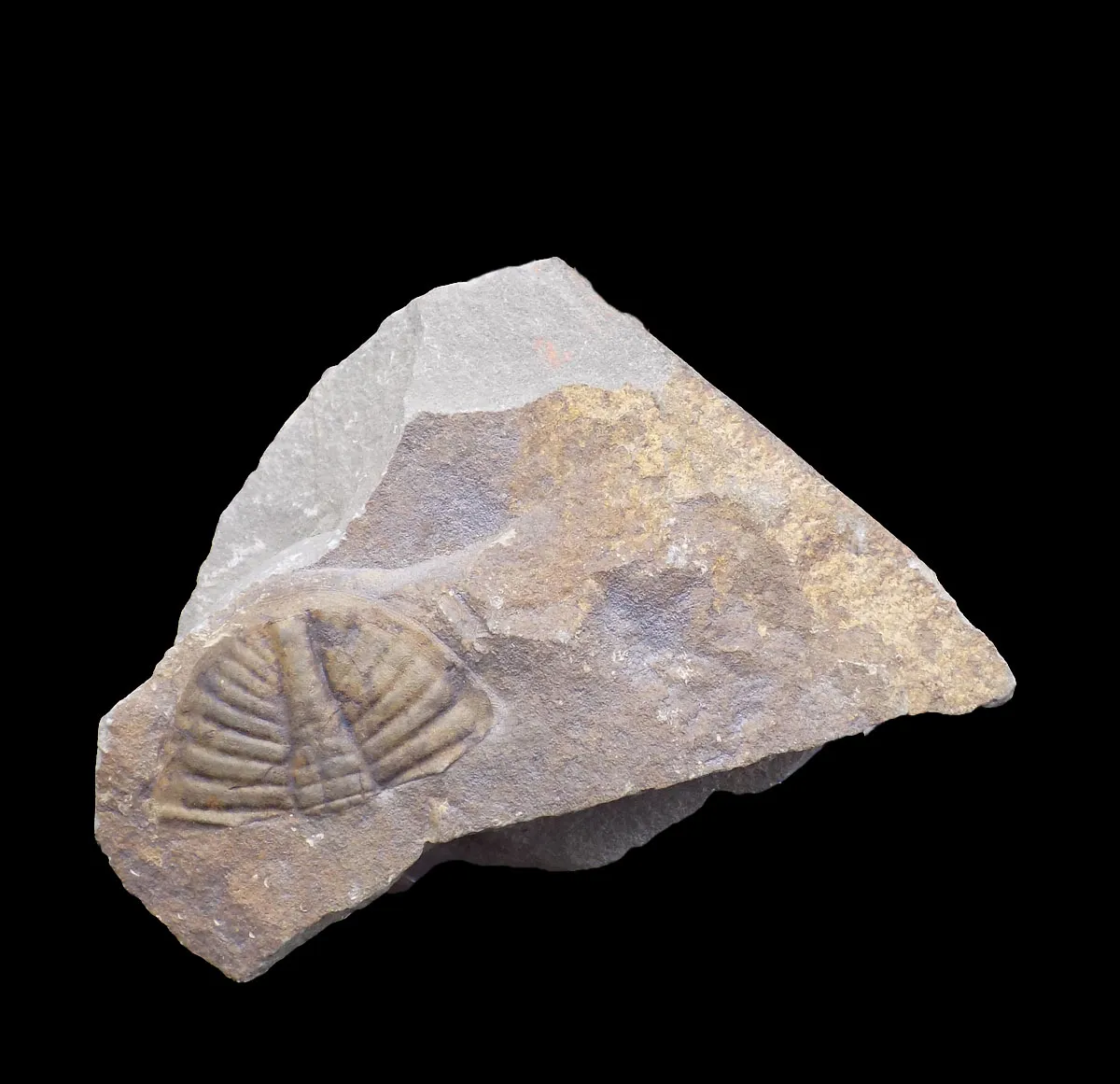
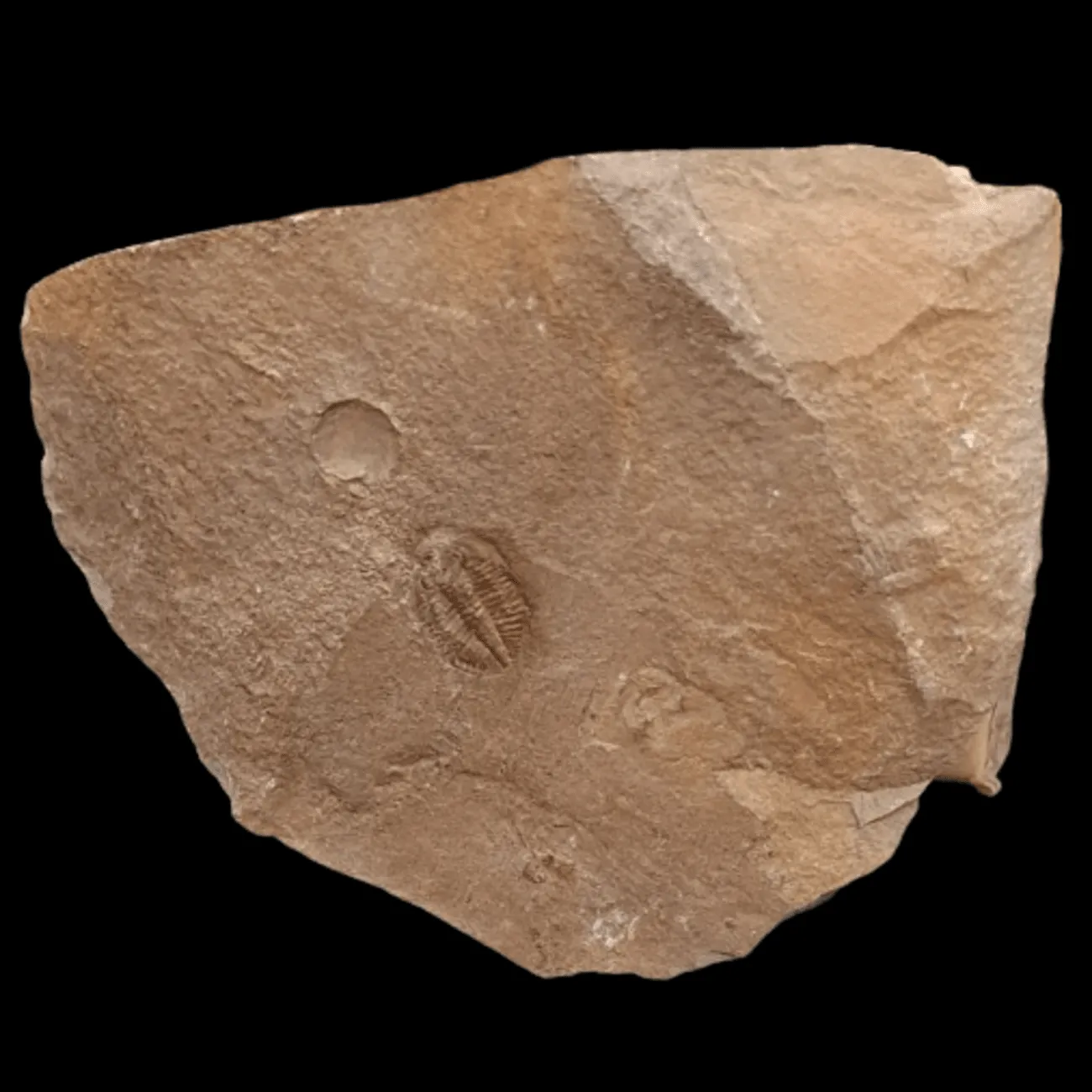
Ogyginus comdensis was a species of asaphid trilobites from the Ordovician period, and found in abundance in Wales. They were characterised by their squat, rounded bodies. These specimens are preserved within a mud stone matrix, some of which has been polished, but all of which has been cut to display the fossils in their entirety. A perfect specimen for analysis of different orders of trilobite if purchased along side a more common variation, these fossils could also be used as a display piece. All fossils are provided with a white card tray and information label.
Available in the folowing sizes:
These sizes refer to the length of the trilobite, not the matrix they are contained in. Matrix size varies between specimens.
Available in the folowing sizes:
- Small - Approximately 1cm
- Medium - Apprximately 2cm
- Large - Approximately 4-5cm
These sizes refer to the length of the trilobite, not the matrix they are contained in. Matrix size varies between specimens.
Weight: 0.150kg
Description
Ogyginus comdensis was a species of asaphid trilobites from the Ordovician period, and found in abundance in Wales. They were characterised by their squat, rounded bodies. These specimens are preserved within a mud stone matrix, some of which has been polished, but all of which has been cut to display the fossils in their entirety. A perfect specimen for analysis of different orders of trilobite if purchased along side a more common variation, these fossils could also be used as a display piece. All fossils are provided with a white card tray and information label.
Available in the folowing sizes:
These sizes refer to the length of the trilobite, not the matrix they are contained in. Matrix size varies between specimens.
Available in the folowing sizes:
- Small - Approximately 1cm
- Medium - Apprximately 2cm
- Large - Approximately 4-5cm
These sizes refer to the length of the trilobite, not the matrix they are contained in. Matrix size varies between specimens.