


Igneous Slides
Anorthosite Slide
SKU: anorth_micro
£24.00 ex. VAT
In stock (8 available)
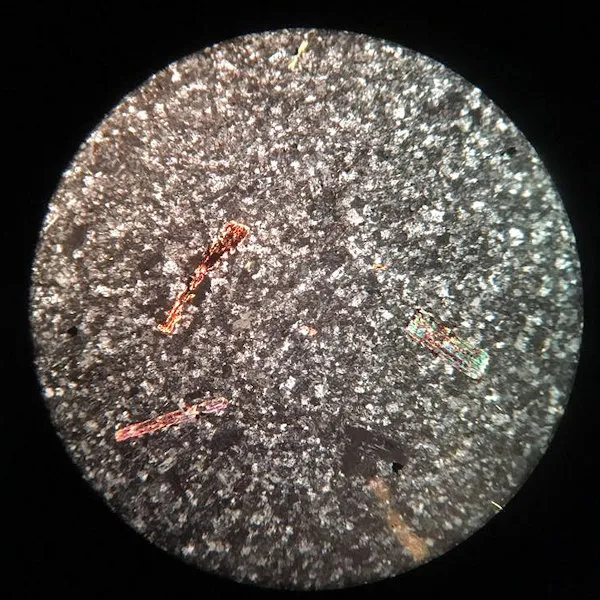
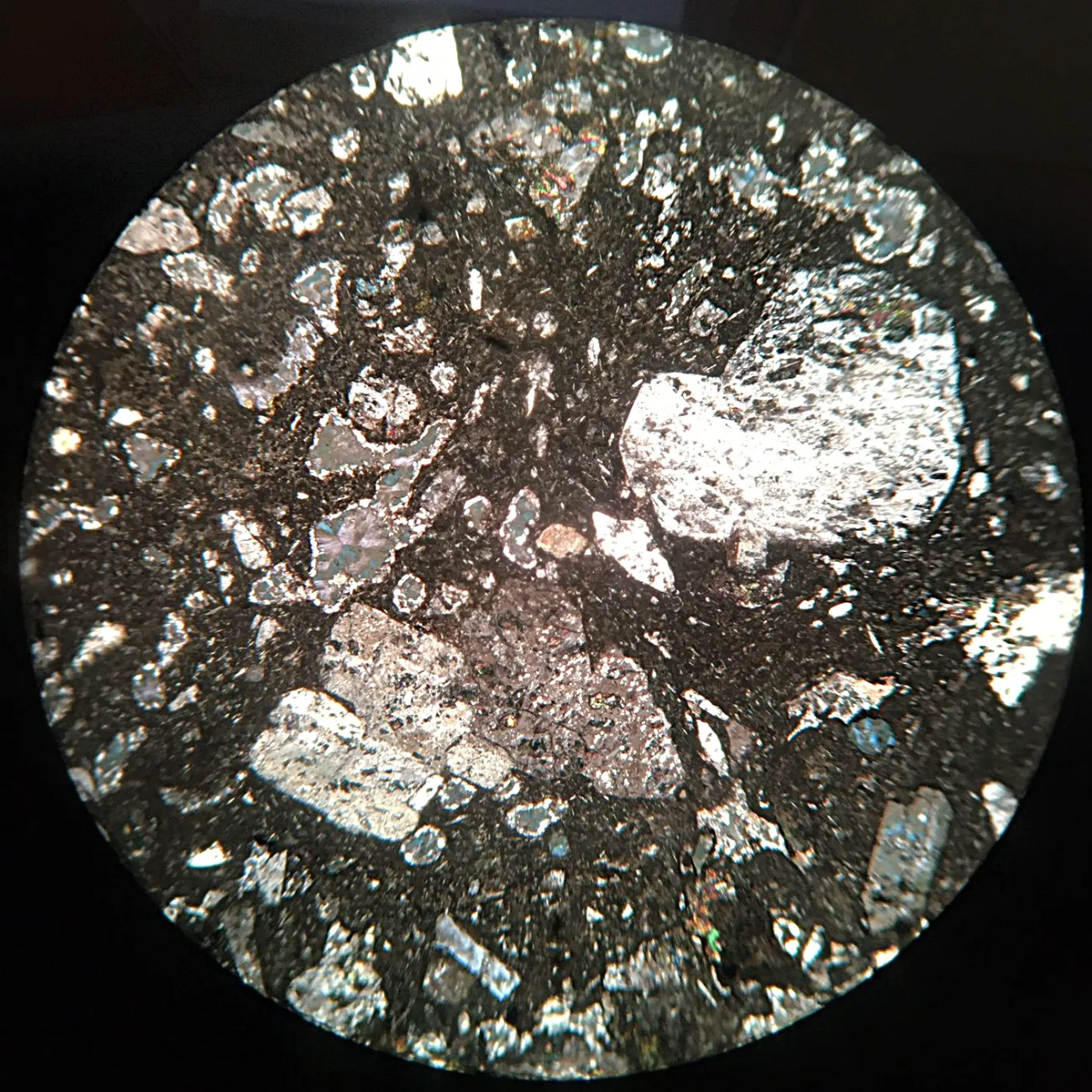
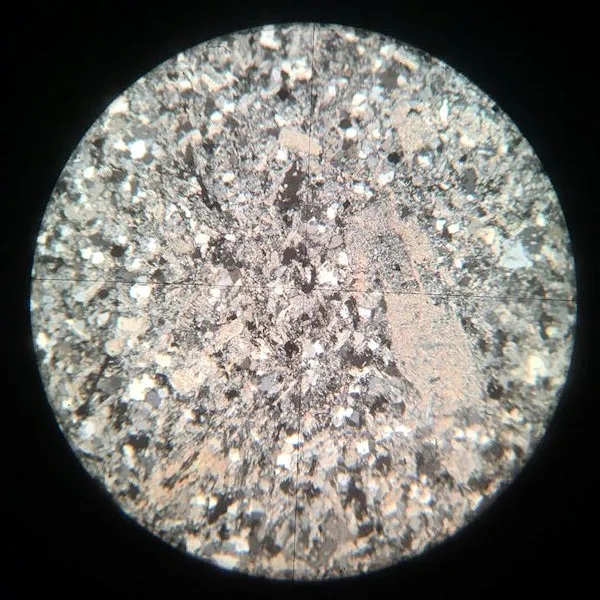
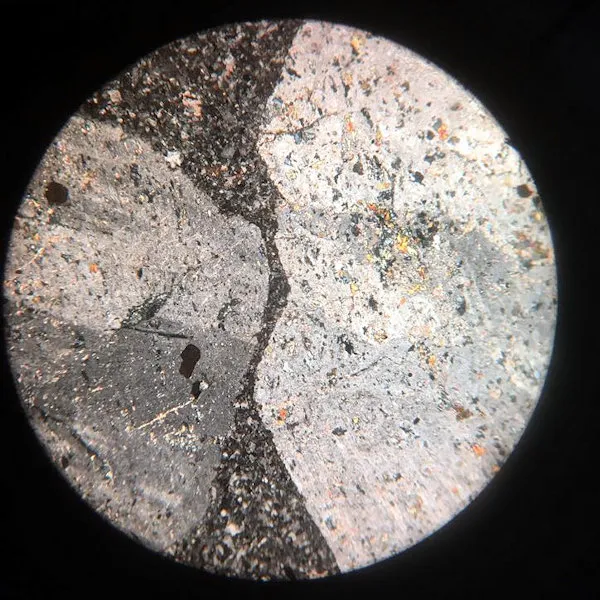
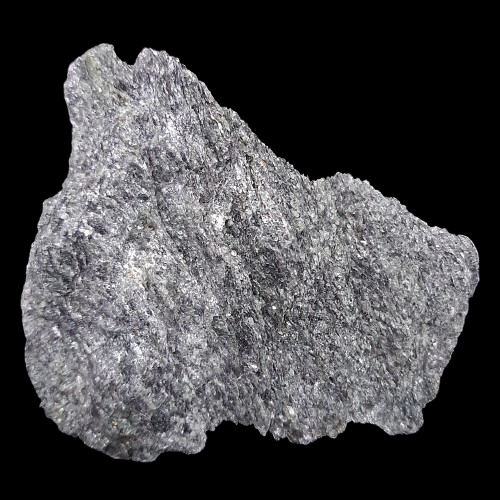
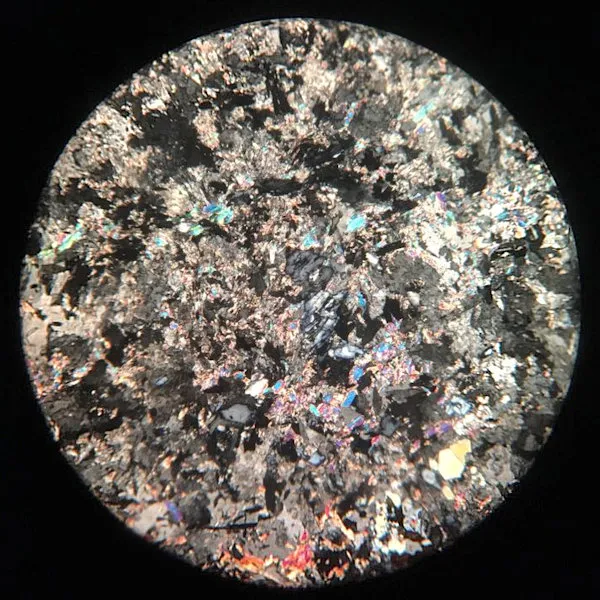
Anorthosite is a phaneritic, intrusive igneous rock characterized by a predominance of plagioclase feldspar (90–100%), and a minimal mafic component (0–10%) including Pyroxene, ilmenite, magnetite, and olivine. These thin sections exhibit a rock which has been deformed and as such the once large plagioclase crystals have recrystallized to form much smaller crystals.
We provide a full range of igneous, sedimentary, metamorphic and mineral thin sections. Click here to view them. Should you require a microscope, they can be found here.
We provide a full range of igneous, sedimentary, metamorphic and mineral thin sections. Click here to view them. Should you require a microscope, they can be found here.
Weight: 0.080kg
Description
This anorthosite slide presents a thin section of an intrusive igneous rock called anorthosite. It is phaneritic in texture and characterized by a high predominance of plagioclase feldspar (90-100%) and a minimal mafic component (0-10%) with pyroxene, ilmenite, magnetite, and olivine. Anorthosite can be classified into Proterozoic and Archaean types based on age.
The thin sections come from Proterozoic material collected in Western Norway Falls. Most Proterozoic anorthosites undergo deformation despite the typically coarse-grained nature of anorthosite plutons. This deformation causes large plagioclase crystals to recrystallize into smaller ones, as shown by our examples. It alters the original grain shape and fabric, resulting in significantly smaller crystals.
The anorthosite slide provides an opportunity to actively study the mineralogy of this rock specimen in detail. Each thin section is 30 microns thick and includes a glass slide measuring 46 x 27 mm with a cover slip. They are supplied in a protective sleeve with a label for microscopy.
We provide a full range of igneous, sedimentary, metamorphic and mineral thin sections. Click here to view them. Should you require a microscope, they can be found here.
The thin sections come from Proterozoic material collected in Western Norway Falls. Most Proterozoic anorthosites undergo deformation despite the typically coarse-grained nature of anorthosite plutons. This deformation causes large plagioclase crystals to recrystallize into smaller ones, as shown by our examples. It alters the original grain shape and fabric, resulting in significantly smaller crystals.
The anorthosite slide provides an opportunity to actively study the mineralogy of this rock specimen in detail. Each thin section is 30 microns thick and includes a glass slide measuring 46 x 27 mm with a cover slip. They are supplied in a protective sleeve with a label for microscopy.
We provide a full range of igneous, sedimentary, metamorphic and mineral thin sections. Click here to view them. Should you require a microscope, they can be found here.