- “Bringing The Past, Into the Future”
- +44 (0) 1204 388754



Enter the enchanting world of Echinoids with our extraordinary collection. These intriguing marine creatures, commonly known as “sea urchins,” offer a fascinating glimpse into the rich diversity and ancient history of marine life. Our Echinoids collection showcases the remarkable beauty, intricate details, and rich paleontological significance of these captivating creatures.
Experience the allure of Echinoids with our meticulously curated collection. Whether you are a fossil enthusiast, a collector, or simply intrigued by the wonders of marine life, our specimens offer a window into the diverse and captivating world of these ancient marine creatures.
Explore our selection today and witness the diversity and geological significance of Echinoid fossils. Each specimen has been carefully chosen to showcase the unique charm and scientific importance of these extraordinary relics of Earth’s ancient oceans.
Specimens of the echinoid Collyrites elliptica, collected from Sarthe, France. These echinoids are matrix free and date to the Jurassic period. Specimens vary in size up to around 2″ and come in a white card tray with an information label.
• Geological Age: Upper Chalk Formation, Cretaceous period, 100 to 65 million years ago.
• Location: Kent, UK
• Family: Echinoderm
• Species: Conulus albogalerus
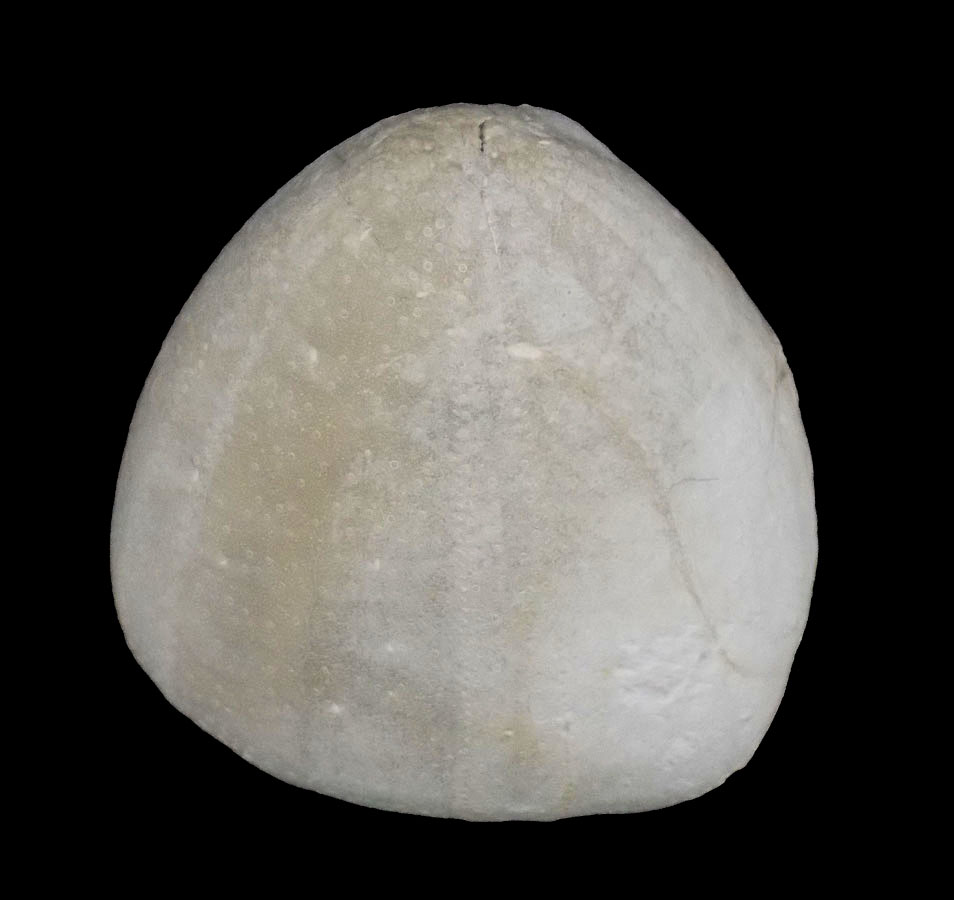
Conulus albogalerus fossil echinoid specimens found in the Upper Chalk strata of Kent in the UK. Dated to the Cretaceous period, this species of echinoid is well known for its cone like shape, hence its name. The samples measures 5 cm in size and are available in various grades and sizes making certain ones suitable for educational use and others for display and collectors. Supplied in a card tray with a data label.
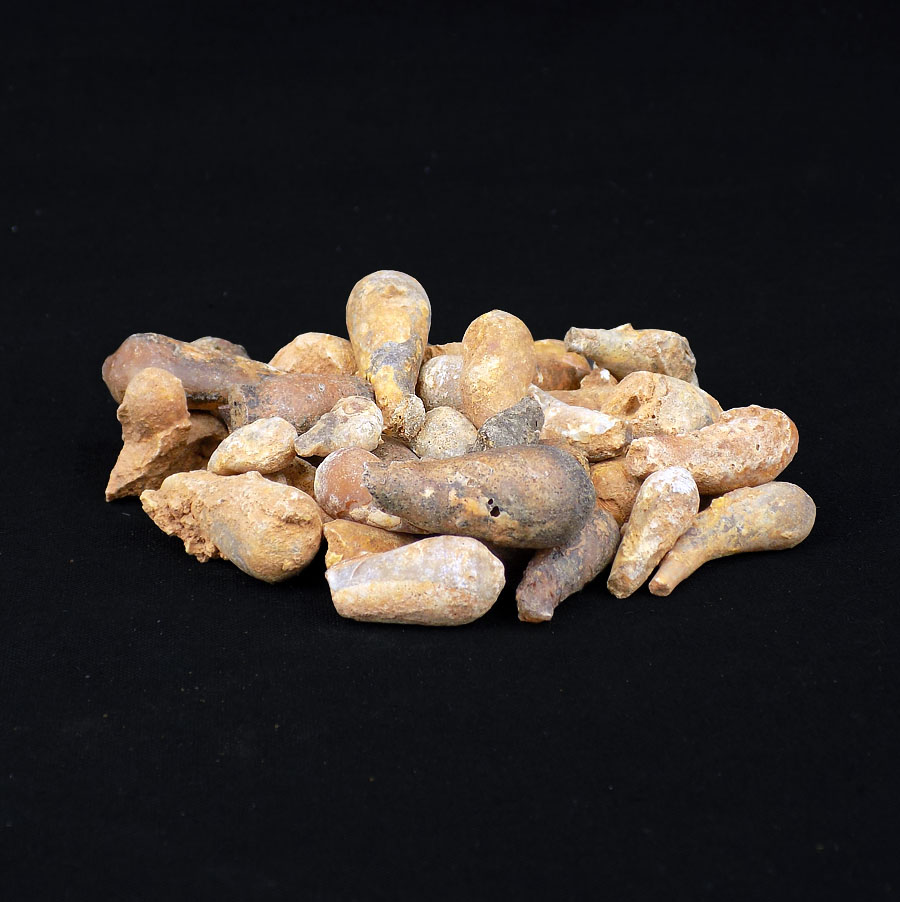
Specimens of echinoid spines from Morocco, the species is unable to be identified from these spines alone, they are supplied in lots of 100 g and come in a polythene bag with an information label.
Specimens of echinoids that have been replaced with flint, collected from Norfolk, UK. These specimens date to the Cretaceous period but the exact species of these sea urchins are unknown. These echinoids are available as either polished or unpolished. Each piece measures around 3″ in size and comes in a white card tray with an information label. Please note that there will be some variation in the condition of these specimens.
• Geological Age: Gambier limestone, Miocene period, 22 to 5 million years ago.
• Location: Mt. Gambier, South Australia
• Family: Echinoderm
• Species: Fossulaster halli
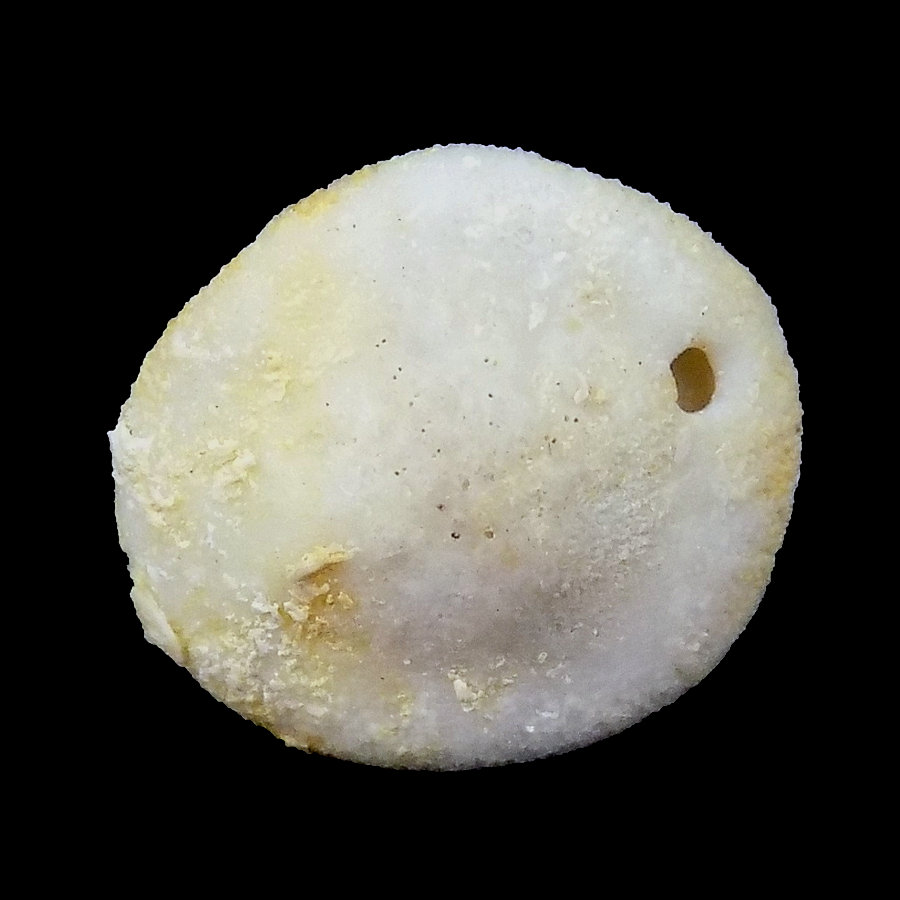
Echinoid fossil specimens of the species, fossulaster halli, a unique species found within the Miocene period Limestones of Mount Gambier in Australia, making them between 22 to 5 million years old. A pale beige colour, these disc like samples are small and because of this, do not show much morphological features besides and opening and overall shape but certainly interesting to serious collectors, the samples will come supplied in a packet with a label.
Specimens of Heliophora orbicularis, collected from the Western Sahara, Morocco. Heliophora orbicularis is an unusual species of echinoid, characterised by their unique finger like protrusions, jutting outward from one side. They date to the Upper Pilocene period, approximately 3.6 million years ago. They have a relatively flat, disc like shape and belong to the sand dollar family. Their distinct appearance is highly variable among individual specimens in terms of over all shape and size. These particular samples have been mostly cleaned and prepped so that features on the surface of the body can be viewed, as well as the ‘fingers’. Please note there may be some blemishes present however. These specimens are beige in colour and come supplied in a 1.5″ x 1.5″ white card try with information label.
Specimens of the echinoid, Holaster laevis, collected from Wilmington, Devon in the UK. These specimens date to the Albanian stage of the Cretaceous period. Specimens measure approximately 30mm and come in a white card tray with an information label.
Specimens of the extinct echinoid, Holectypus depressus collected from Cornbrash in Cambridgeshire, UK. These echinoids date to the Jurassic period and measure around 1cm. Each specimen comes in a magnifier box with an information label.
• Geological Age: Eagle Ford Shale, Upper Cretaceous period, 96 to 90 million years old.
• Location: Terrell County, Texas, USA
• Family: Echinoderm
• Species: Leiotomaster bosei
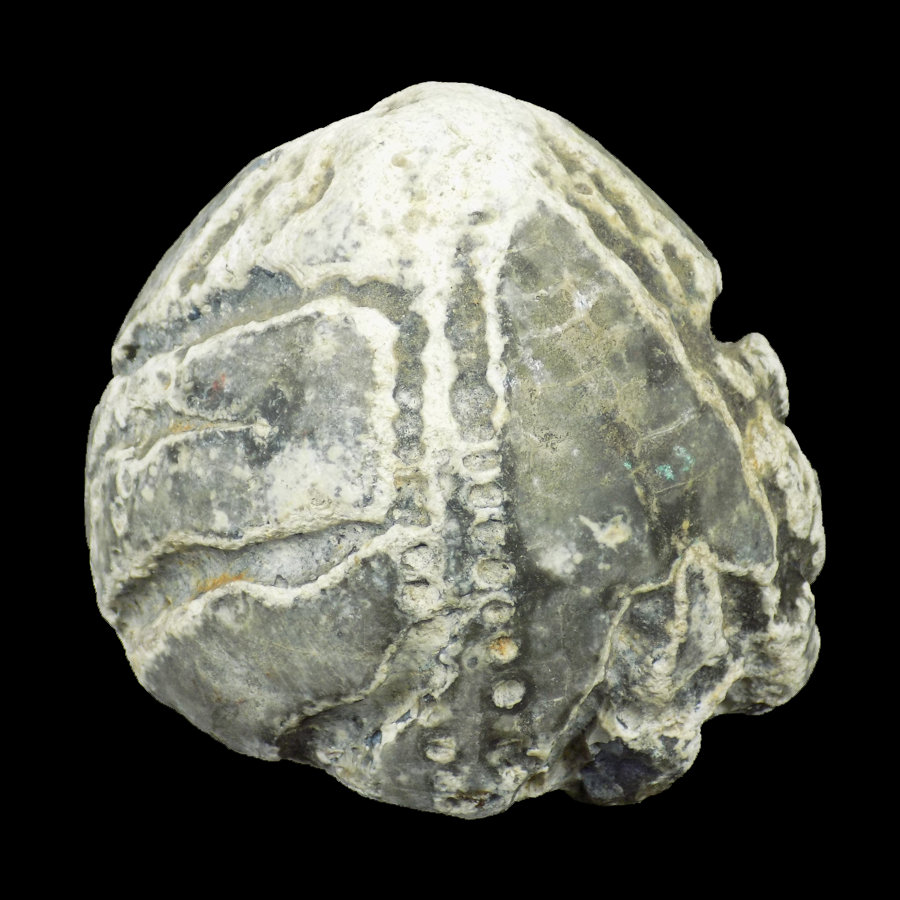
Leiotomaster bosei fossil echinoid specimens from the famous Eagle Ford Shale formation in Texas, USA, these samples are an off white colour with a globular, heart like shape. Features such as ambulacra are easily visible, each fossil measures around 1 cm in diameter, though small, they are excellent for serious collectors, especially of American fossils.
• Geological Age: Miocene period, 23 to 5 million years old.
• Location: Morgan Limestone, Mannum Formation, Mannum, Australia
• Family: Echinoderm
• Species: Lovenia forbesi
Lovenia forbesi fossil echinoid specimens from the Morgan limestone formation found in Mannum, Australia, excellent high quality samples with a heart shape and visually clear morphological details and an off white or beige colouration. Each sample is approximately 40 mm in diameter and come supplied in a plastic box with a clear lid and label.
• Geological Age: Cretaceous period, upper chalk formation, 100 to 66 millions years old
• Location: Kent, UK
• Family: Echinoderm
• Species: Micraster cortestudinarium
Micraster cortestudinarium fossil echinoid specimens, a common fossil found around UK, the samples are an off white colour and measure around 6 cm in size. They lived during the Cretaceous period, over 66 million years ago in what is now Kent, UK. The samples will come supplied in card tray with an information label, suitable for more serious collectors to show the various species with the Echinoid family.
Specimens of the echinoid Micraster leskei, collected from Dover, Kent in the UK. These specimens date to the Cretaceous period, measure 1.5 – 2″ in size approximately and come in a white card tray with an information label.
Specimens of the echinoid Micraster, collected from Dover, Kent in the UK. These echinoids are matrix free and date to the Cretaceous period. Specimens measure 2 – 3″ in size approximately and come in a white card tray with an information label. Please note there will be a slight variation in quality between these specimens.
• Geological Age: Upper Cretaceous – Campanian, G. quadrata Zone, 72 to 84 million years old.
• Location: Romsey, Hampshire, UK
• Family: Echinoderm
• Species: Offaster Pilula
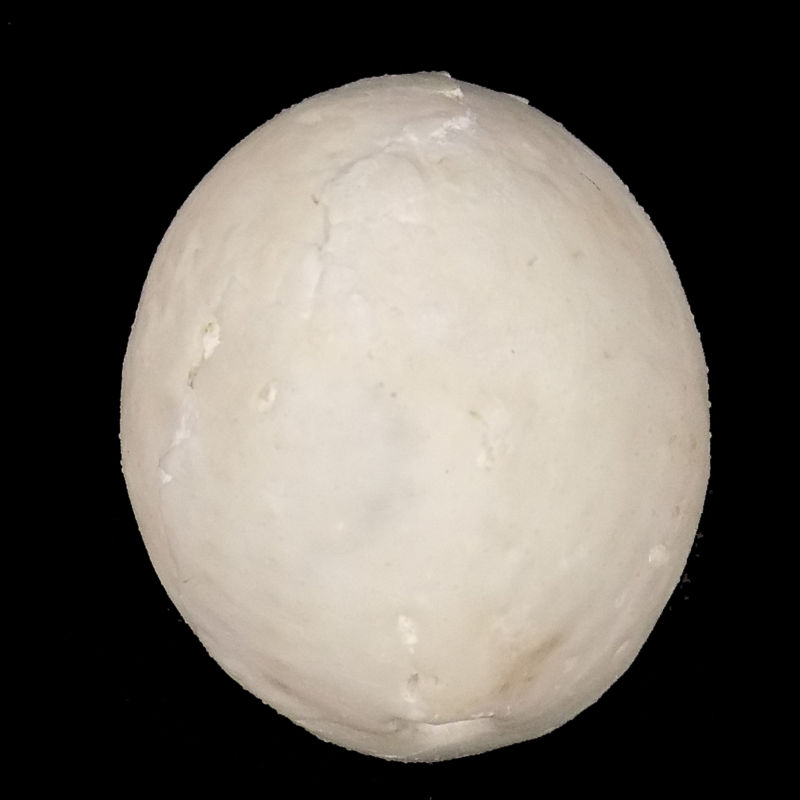
Offaster pilula are a sub species of echihnoids, fairly small in size, these 2 cm fossil specimens were found in Romsey,, Hampshire in the UK in Campanian age rocks of the Cretaceous period. They exhibit an almost spherical shape and white colouration, very few features are visible but they are certainly ideal for the more serious collector or to indicate the diversity of a species.
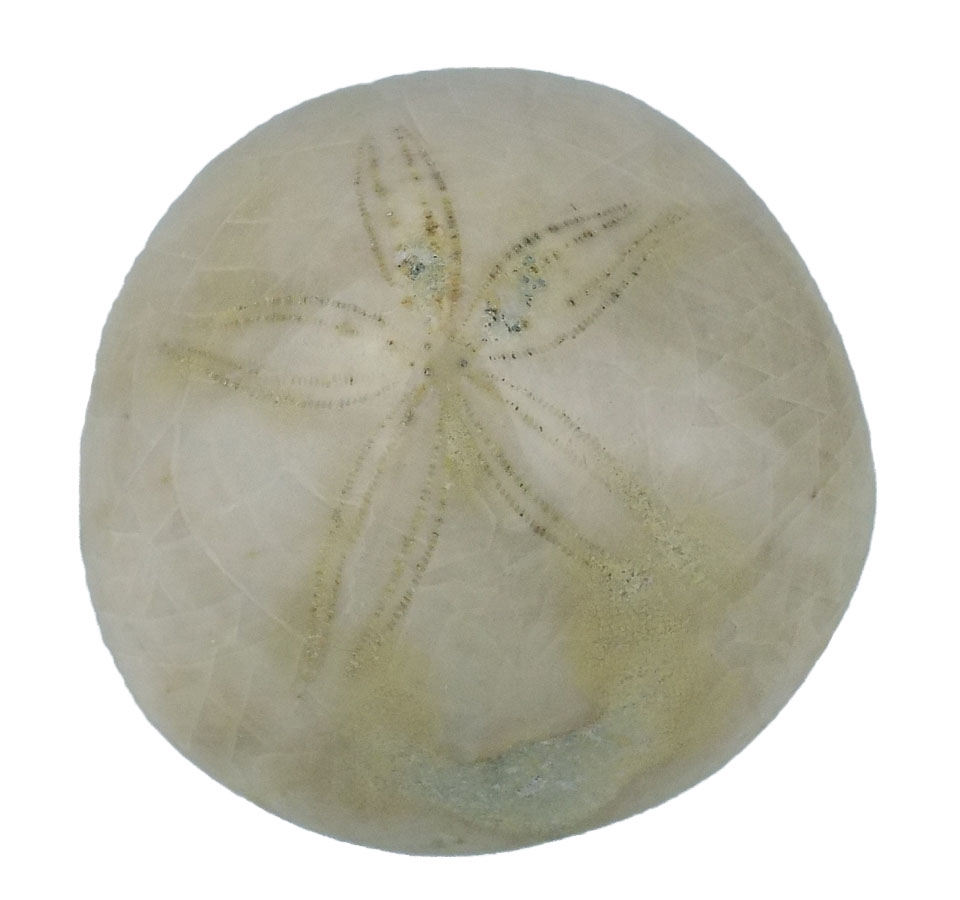
Echinoids specimens which have been polished, highlighting the petal features. Specimens come in a small card tray with an information label. Small specimens are approx 30mm diameter and large specimens are approx 40mm – 50mm in diameter.
• Geological Age: Miocene period, Gambier limestone.
• Location: Mt. Gambier, South Australia
• Family: Echinoderm
• Species: Prowillungaster minor
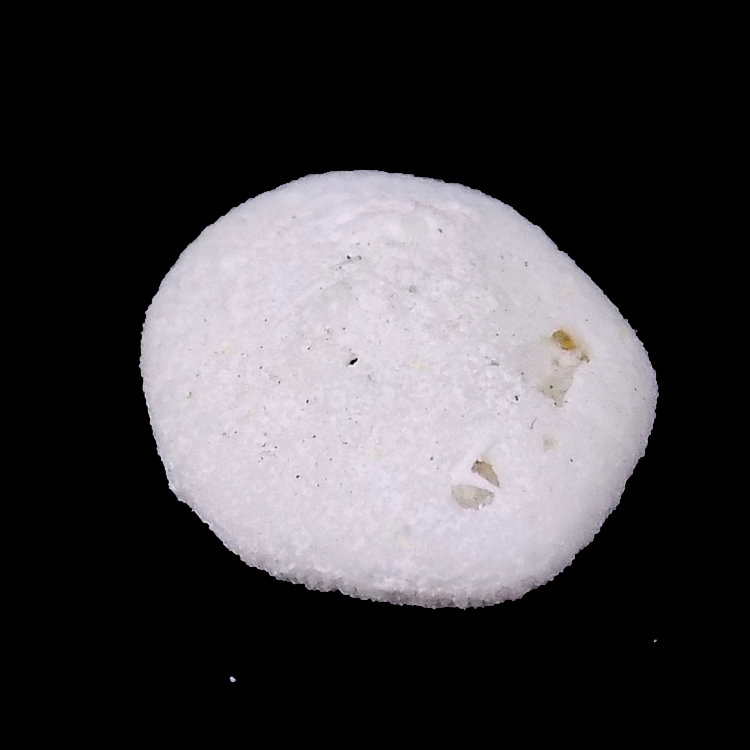
A small, rare echinoid fossil specimen, prowillungaster minor exhibit a flat, disc shape body. Due to it’s small size of 7 mm, not many morphological features can clearly be seen, however, for the more serious collector, this echinoid will no doubt fill a space.
• Geological Age: Middle Jurassic period, 162 million years ago.
• Location: Madagascar
• Family: Echinoderm
• Species: Pygurus Depressus
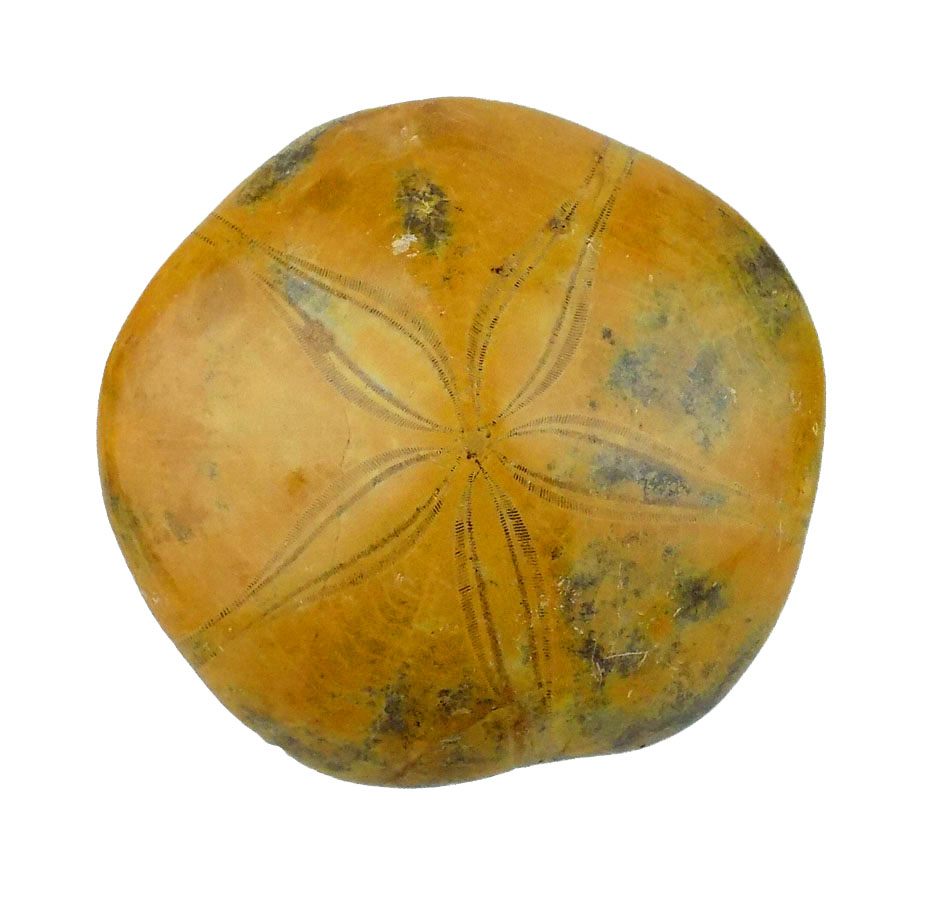
Pygurus depresses fossil echinoid specimens are common and often sought after, they are often complete and well preserved and also take an excellent polish to them, such as these samples. 7 cm in diameter and a golden brown colour. Polishing only highlights the features of these samples even more.