- “Bringing The Past, Into the Future”
- +44 (0) 1204 388754


£1.50 – £6.00 ex VAT
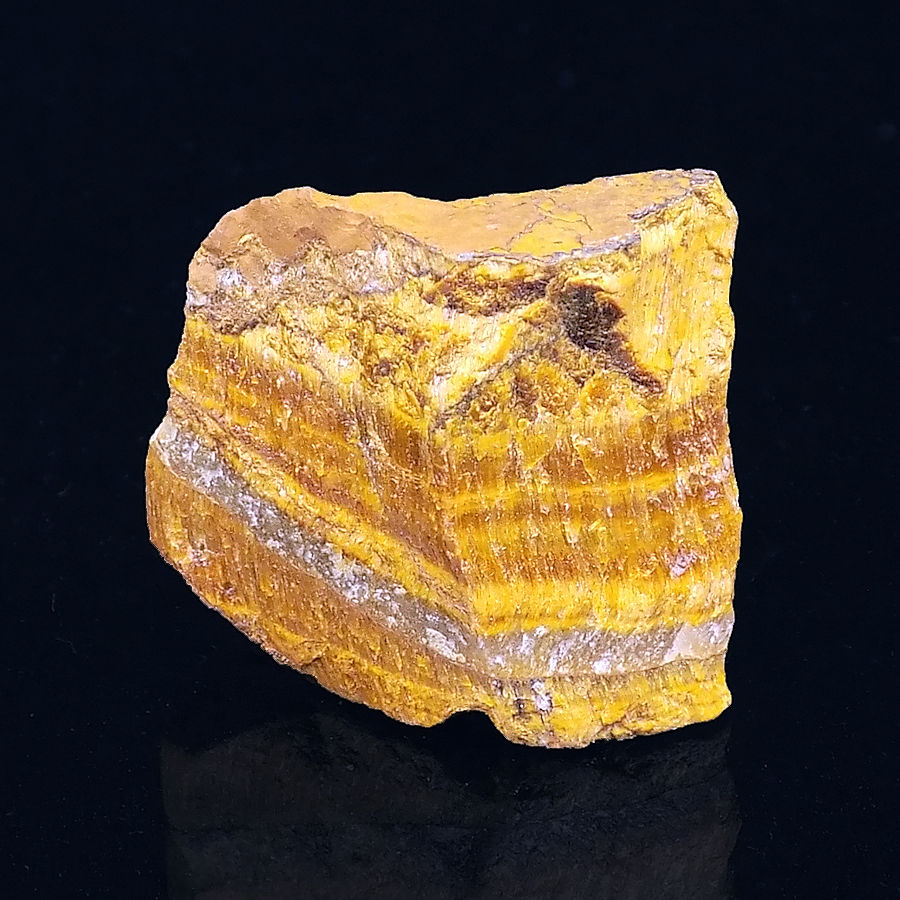
Specimens of Tigers Eye, collected from South Africa. Tigers Eye is a famous gemstone, due to its high quality, crystal habit, and ability to take cutting and polishing. These specimens are examples of gold tigers eye, being a mixture of gold and brown colours with a silky lustre. They are available in multiple sizes and come in a white card tray with an information label.
Please note that Tigers Eye contains the asbestos mineral crocidolite. Whilst overall, the crocidolite is suspended in quartz and inert, some fibres may come loose. As such, specimens will come in a polythene bag.
Specimens of Tigers Eye, collected from South Africa. Tigers Eye is a famous gemstone, due to its high quality, crystal habit, and ability to take cutting and polishing. These specimens are examples of gold tigers eye, being a mixture of gold and brown colours with a silky lustre. They are available in multiple sizes and come in a white card tray with an information label.
Please note that Tigers Eye contains the asbestos mineral crocidolite. Whilst overall, the crocidolite is suspended in quartz and inert, some fibers may come loose. As such, specimens will come in a polythene bag.
| Weight | 180 g |
|---|---|
| Size | 1.5" x 1.5", 2" x 2", 3" x 2", 4" x 3" |
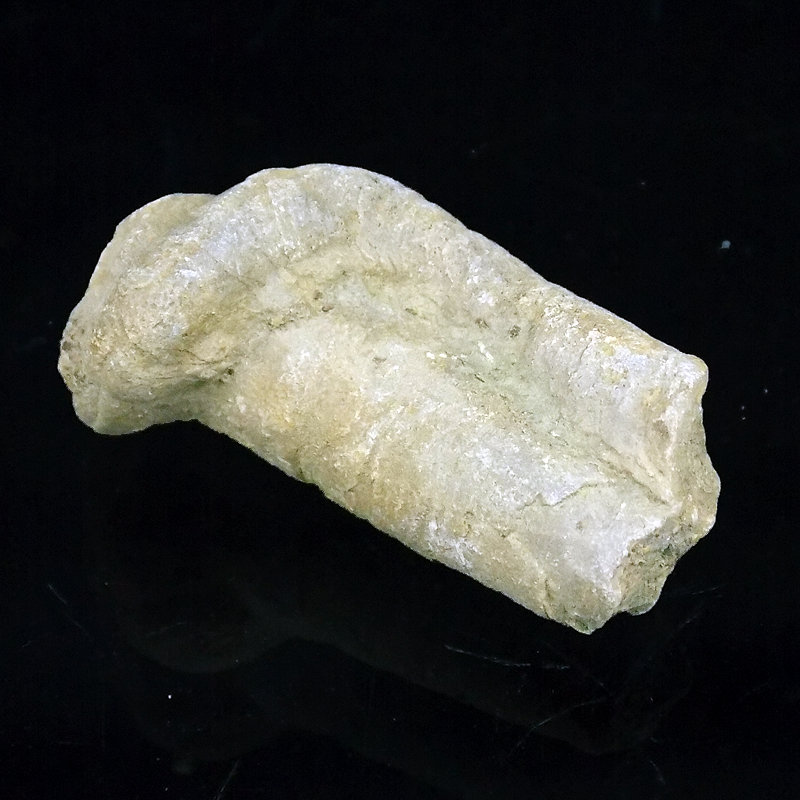
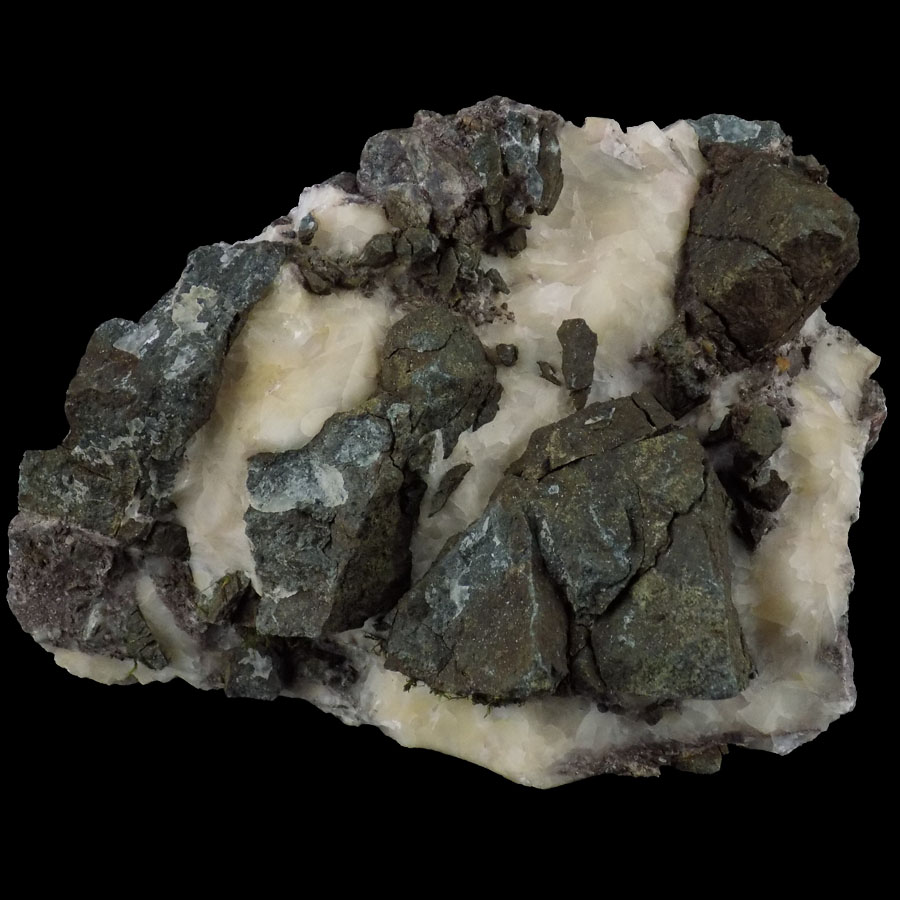
Specimens of Witherite collected from the Settlingstones Mine in the Tyne Valley, Northumberland in the UK. This milky-white mineral shows a fibrous crystal habit. Specimens are available in multiple sizes and come in a white card tray with an information label.
Specimens of Peridotite collected from Finland. This ultramafic igneous rock is high in magnesium and derives from the Earth’s mantle. Specimens are available in multiple sizes and comes in a white card tray with an information label.
We also supply Peridotite thin sections for microscope study which are available to buy HERE.
Specimens of Accretionary Lapilli Tuff collected from Longsleddle in Cumbria, UK. This igneous pyroclastic rock forms when material from volcanic activity ejects into the air. Specimens are available in multiple sizes and comes in a white card tray with an information label.
Specimens of Ignimbrite Welded Tuff collected from Cumbria in the UK. This pyroclastic rock forms when the constituent materials weld together during volcanic activity. Specimens are available in multiple sizes and comes in a white card tray with an information label.
We also supply Welded Tuff thin sections for microscope study which are available to buy HERE.
Specimens of Gabbro collected from Balmedie Quarry in Aberdeen, Scotland. This igneous rock dates to the Ordovician period with a slightly green tint from minor occurrences of amphibole and olivine. Specimens are available in multiple sizes and comes in a white card tray with an information label.
We also supply Gabbro thin sections for microscope study which are available to buy HERE.
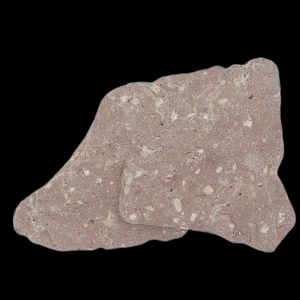
Specimens of Rhyolite Felsite collected from Fife in Scotland. This variation of rhyolite contains mostly quartz and feldspar giving the rock its pale pink colour. Specimens are available in multiple sizes and comes in a white card tray with an information label.
Specimens of Microgranite collected from Threlkeld Quarry in Cumbria, UK. This variation of granite has crystals much smaller than those typically found in other granites. Specimens are available in multiple sizes and comes in a white card tray with an information label.
We also supply Microgranite thin sections for microscope study which are available to buy HERE.
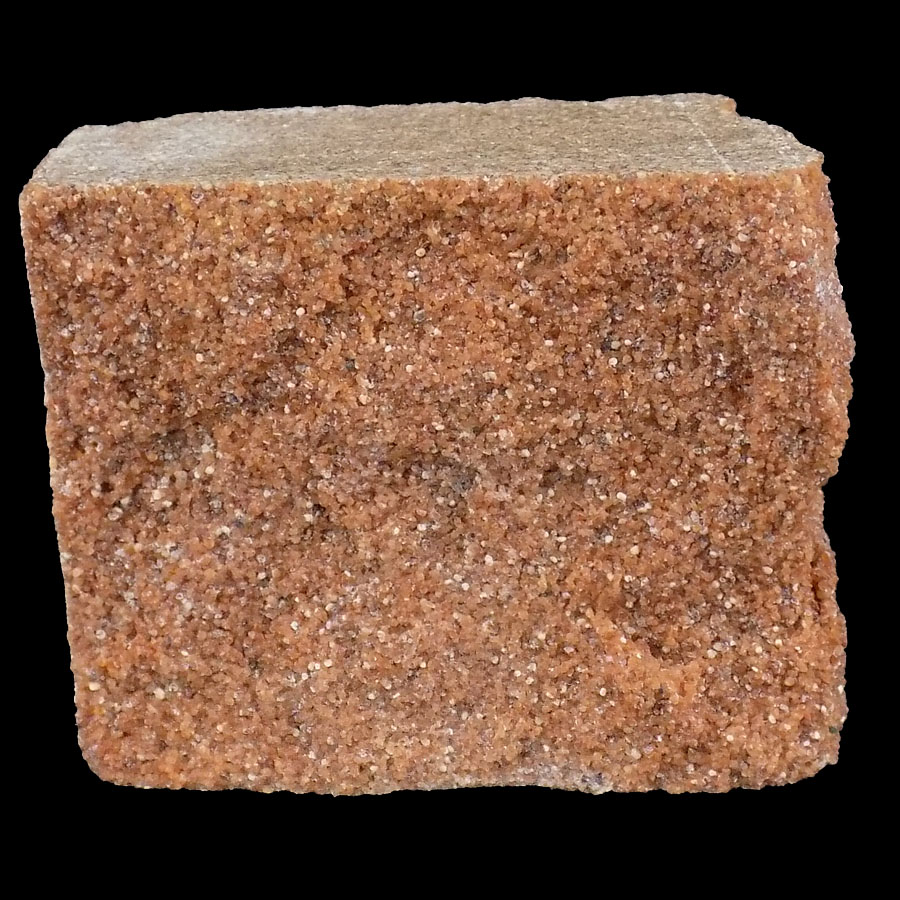
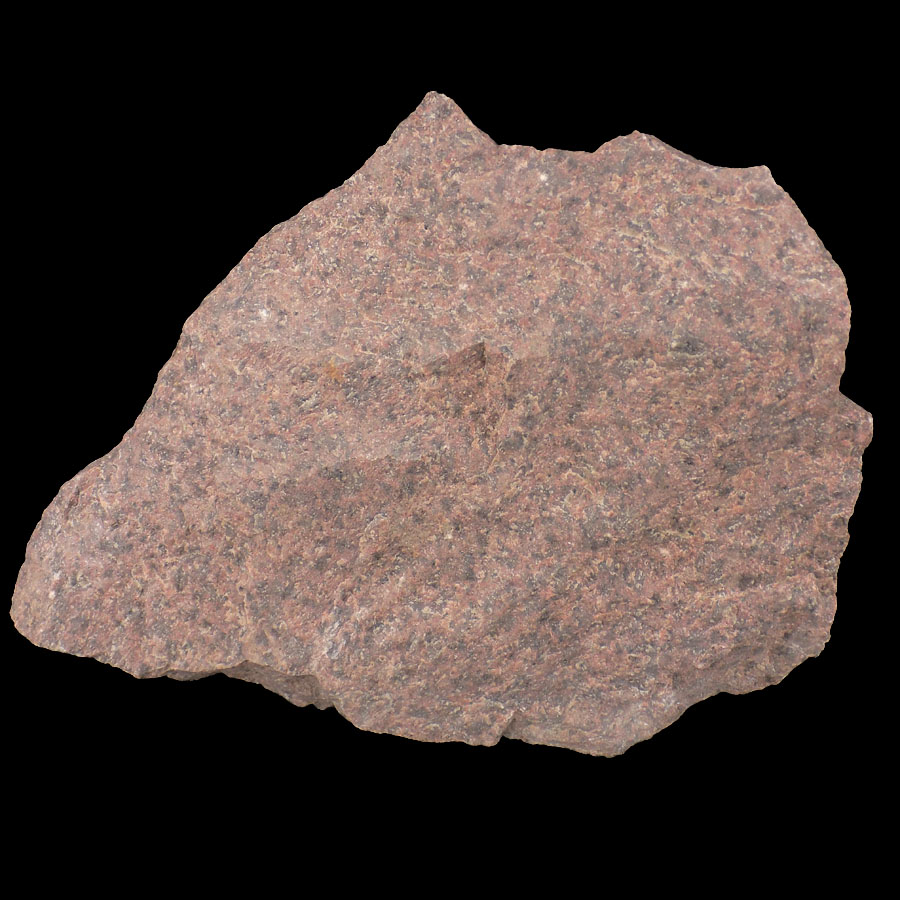
Specimens of Aeolian Sandstone collected from Lazonby, near Penrith, Cumbria in the UK. This aeolian sandstone is Triassic in age – approximately 200 Ma. It belongs to the group of rocks known as the New Red Sandstone which date from the Permian (280 Ma) into the Triassic. The composition of this sandstone consists solely of spheroidal (millet seed) quartz grains with an iron oxide cement called haematite. It is the presence of this haematite that contributes to the distinct red – orange colouration of these samples. This lithology is typical of an aeolian (wind blown) hot desert environment. Available in multiple sizes, these specimens come supplied in a white card tray with information label.
We also supply Aeolian Sandstone thin sections for microscope study which are available to buy HERE.
Specimens of Graphic Granite collected from Iveland in Norway. This variation of granite contains so much quartz and feldspar crystals that very few mica minerals are visible. Specimens are available in multiple sizes and comes in a white card tray with an information label.
Specimens of Fault Breccia collected from Great Langdale in Cumbria, UK. This breccia forms due to tectonic forces which is unlike other varieties. Specimens are available in multiple sizes and comes in a white card tray with an information label.
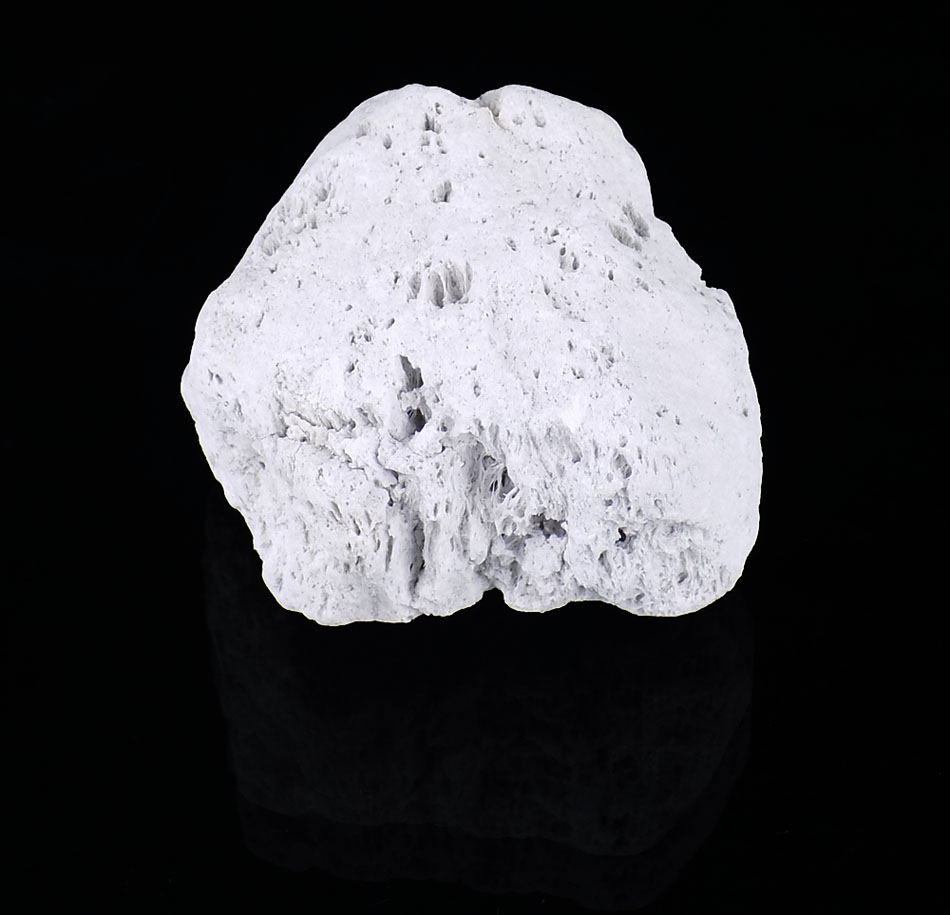
Specimens of Pumice collected from the Lipari Islands off Italy. This porous rock forms when a volcano ejects very hot, high pressure lava. Specimens are available in multiple sizes and comes in a white card tray with an information label.
We also supply Pumice thin sections for microscope study which are available to buy HERE.
Specimens of Phonolite collected from Traprain Law in Scotland. This extrusive igneous rock makes a metallic sound when struck and has a texture that varies depending on the graining. Specimens are available in multiple sizes and comes in a white card tray with an information label.
Specimens of Olivine Dolerite collected from Clee Hill in Shropshire, UK. This igneous mafic rock dates to the Permian period, around 295 million years ago, forming at shallow depths less than 2Km. Specimens are available in multiple sizes and comes in a white card tray with an information label.
We also supply Olivine Dolerite thin sections for microscope study which are available to buy HERE.




Reviews
There are no reviews yet.